> dmcdonald.net / talks
> ─────────────────────
Talks & workshops
conference talks, workshops, and short-form research presentations
── upcoming ──────────────────────────────────
── 2026 ──────────────────────────────────────
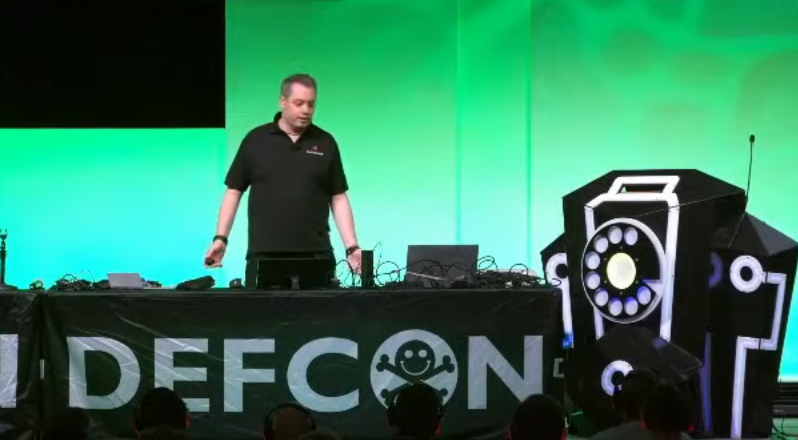
Thin Client? Thin Crypto
Every vendor that dominates the thin-client market, HP, Dell, and IGEL, shipped full-disk encryption that can be defeated, and as of early 2026 all three at once. These are not the attacks the word TPM usually conjures: no bus-sniffing, no glitching, no cryptanalysis, mostly reading bash scripts and a USB stick. Five bypasses across the three vendors, all turning on the same flaw: the TPM measured the platform but not the code that actually controls the boot. The talk discusses the bugs, the tooling, and what broken FDE means for the banks, hospitals, and governments that run thin clients at scale.
upcoming
previously
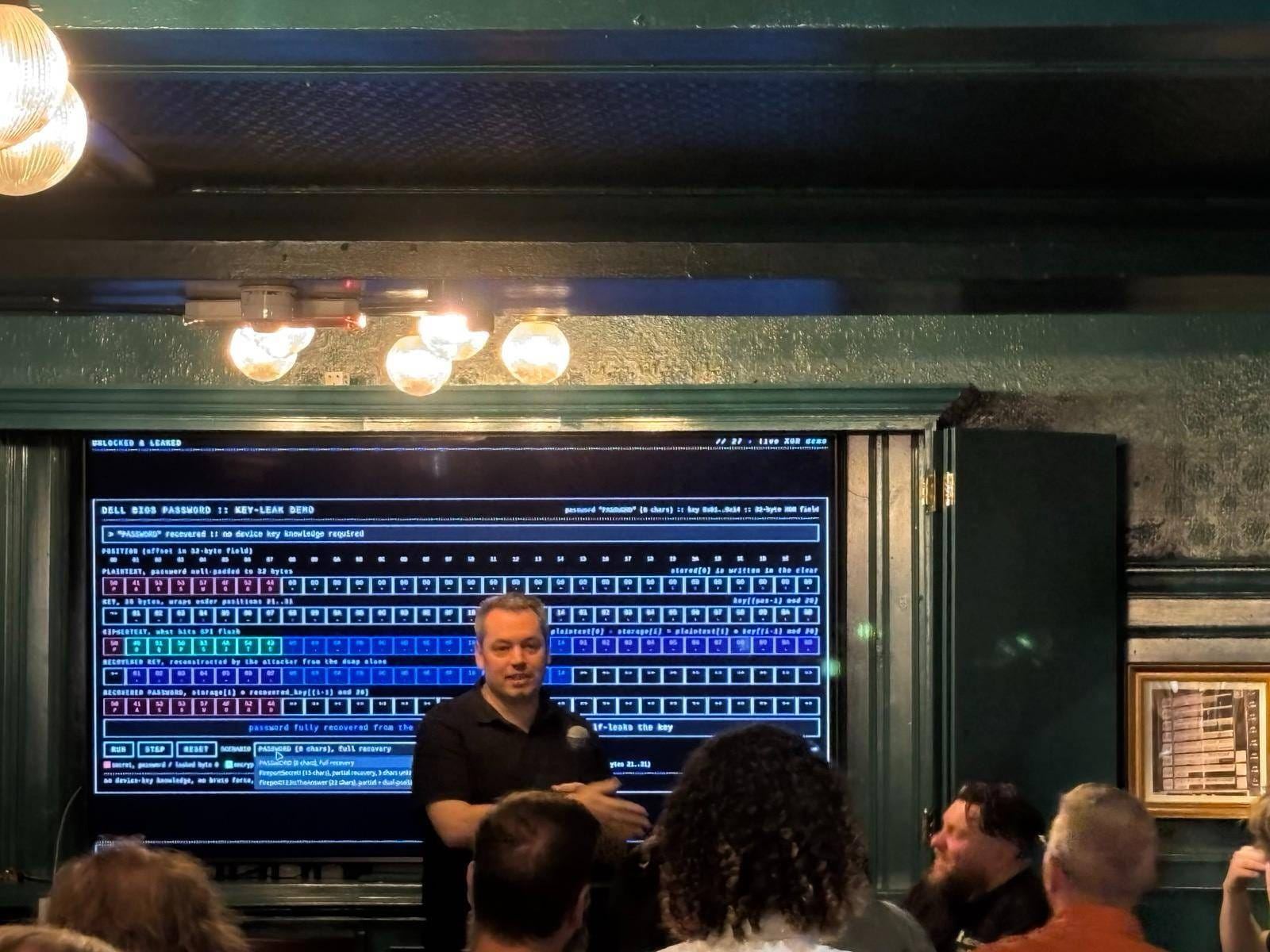
Unlocked & Leaked
Modern Dell systems claim a locked BIOS protects against physical attackers, password screen, Secure Boot enforcement, IOMMU-protected DMA, signed firmware updates. We'll show two reasons it doesn't. First: disabling preboot DMA protection by flipping a single NVRAM byte; the BIOS setup screen still cheerfully reports DMA enabled. Second: a bug that lets us pull BIOS passwords out in cleartext. Both attacks reduce to read-modify-write of the SPI flash with a SOIC clip and a cheap programmer. The talk covers the bugs, the tooling, and what it means for deployed Dell hardware.
presented
── 2025 ──────────────────────────────────────
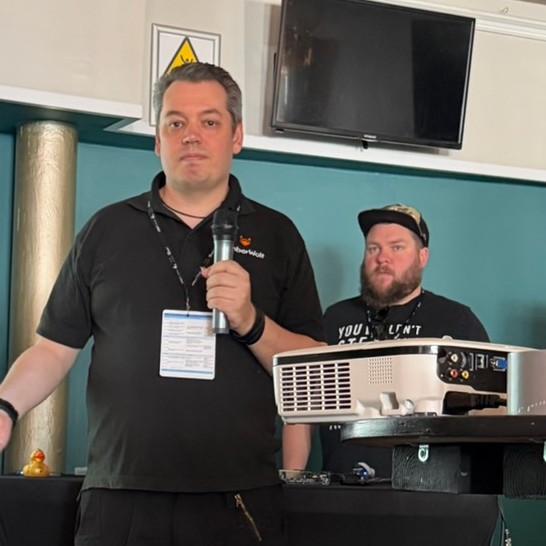
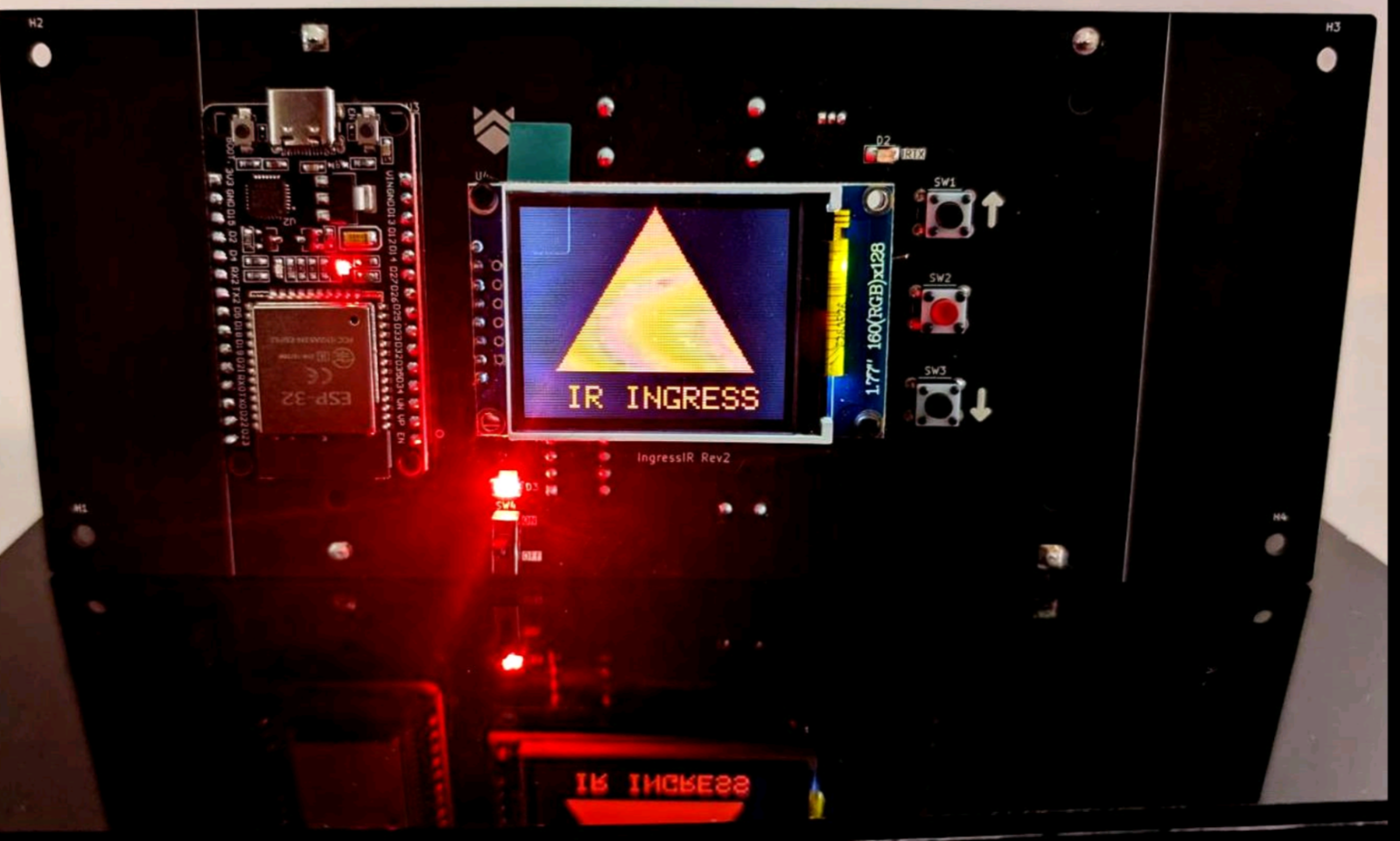
IR Ingress
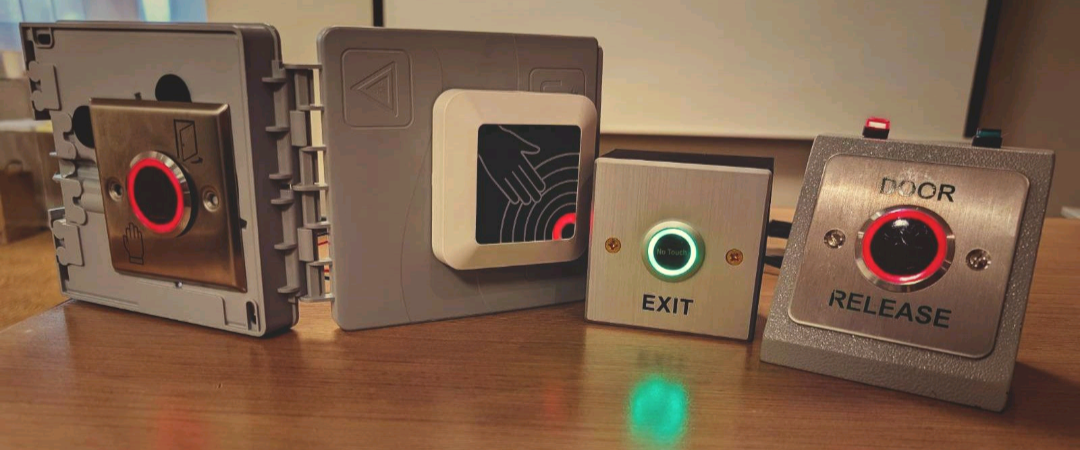
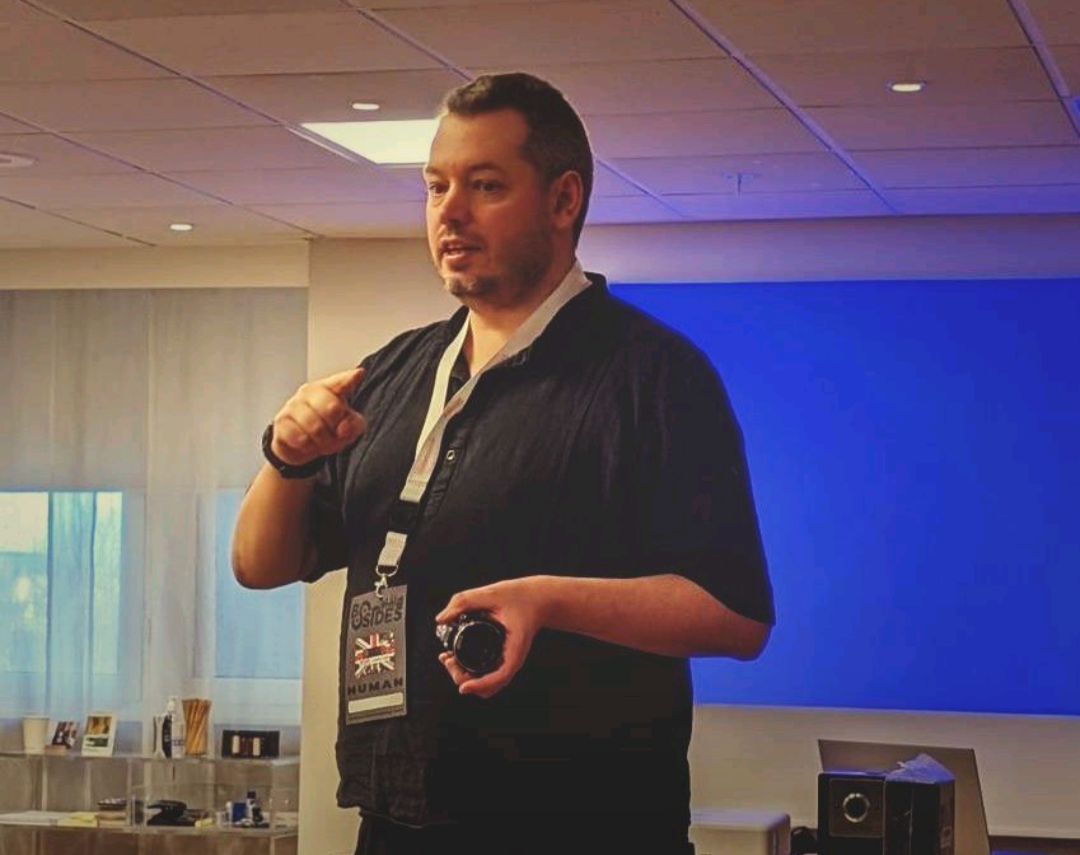
Hands-on workshop covering the IR Ingress hardware: a custom-built NIR emitter that beams modulated infrared through glass facades to trigger wave-to-exit motion sensors from outside a building. Attendees worked through the basic IR primitives with TX/RX breakout modules, then watched the full Rev2 device demonstrated against a bench of commercial exit sensors.

── 2024 ──────────────────────────────────────
Bypassing BitLocker by Sniffing the SPI Bus
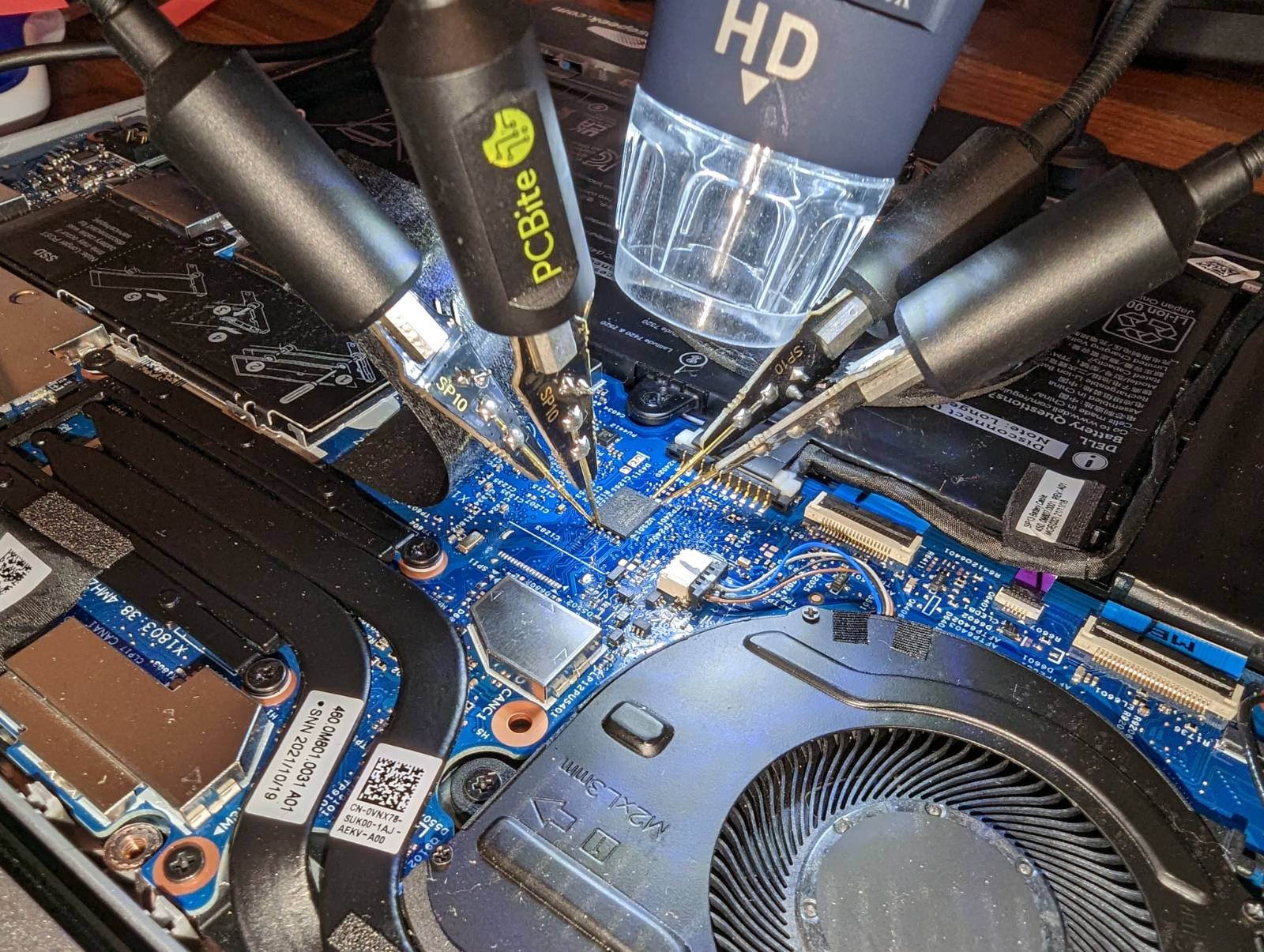
Hands-on workshop covering BitLocker encryption circumvention in TPM-only mode. Participants monitored SPI buses with digital logic analysers, extracted TPM data, and mounted and decrypted disks. Targeted at penetration testers, red team operators, and forensic analysts.

Breaking the Shield: Bypassing FortiWeb WAFs and Zscaler ZIA
Bypassing IaaS perimeter solutions (FortiWeb Cloud WAFs and Zscaler ZIA) via false assumptions about what cloud-vs-traditional infrastructure boundaries actually enforce. Low-tech, easy bypasses that compromise systems sold as managed protection.